Build a respected rural primary-health profile — not through informal shortcuts, but through structured CMS & ED training: first-contact care, community trust, and ethical practice within the law. Jan Ayush Sansthan designs, runs, and certifies this programme.
Course name: CMS & ED — Community Medical Services & Essential Drugs (Jan Ayush Sansthan institutional diploma)
Institution: Jan Ayush Sansthan, INDIA
Focus: first-contact care, community hygiene, rational essential medicines, safe referral
Duration:18 months total — 12 months classroom/theory (plus scheduled demonstrations where applicable) + 6 months internship / field
Eligibility: 12th pass with PCB (Physics, Chemistry, Biology) — full rules in the official prospectus
Typical learners: rural/semi-urban youth, clinic-linked helpers, and anyone building a grounded primary-care profile
Who runs CMS & ED:Jan Ayush Sansthan — syllabus, assessments, enrolment decisions, fees rules (as published), and the Diploma — Jan Ayush Sansthan certificate
MPYPCP’s role: through the MoU, affiliated study centres in the partner network help learners reach the programme locally; MPYPCP does not replace Jan Ayush as the awarding body for CMS & ED
Official source for CMS & ED: Treat Admission, Notices, the Jan Ayush brochure, and your batch prospectus on this website as binding. Partner centre pages or third-party sites may summarise the course; if anything conflicts, Jan Ayush Sansthan’s published documents prevail.
Why CMS & ED? — यह कोर्स क्यों?
Rural areas still face shortages of qualified MBBS doctors; first-line help often stalls.
Fever, diarrhoea, minor injuries, blood pressure and diabetes cases need a trained responder at the first visit.
CMS & ED is a structured pathway: essential medicines, basic checks, and timely referral judgement.
We emphasise ethics, law, and patient-centred thinking — not informal “shortcut” practice.
A dignified future — professional pathway
Trust is built with clarity and responsibility, not exaggerated claims. Below is how we describe CMS & ED: serious value, honest language, and respect for the law.
1. Rural health entrepreneur — not “village doctor”
We do not market CMS & ED as a shortcut to become a registered medical doctor. That would mislead families and weaken your reputation.
Instead, we train you for: a primary health support centre mindset — community first-contact care, hygiene campaigns, rational essential-medicines education (within syllabus and law), documentation, and timely referral.
Your future can look like: running or supporting a small primary-care orientation point, clinic assistant work, NGO / outreach roles, or further study — always subject to local rules and employer requirements.
2. Legal context — recognition, not a “shield”
Some public discussion refers to Supreme Court jurisprudence on community health roles (including cases such as Subhasis Bakshi & Ors. v. West Bengal Medical Council & Ors.). Courts decide specific facts; they do not “approve” Jan Ayush Sansthan or CMS & ED by name.
We teach you to work inside the current legal and regulatory framework — state health rules, drug laws, and training limits — with dignity and documentation. That is what earns parents’ trust, not slogans about being “protected from administration.”
3. Transparent digital records
Value is shown through systems families can verify, not glossy promises alone.
Validate admission — check enrolment records when the office has published them.
4. Forty-two essential medicines — responsibility, not a “prescribing pad”
The 42-item teaching basket (WHO EML / NLEM-informed principles) is classroom orientation for rational use, safety, storage, and referral — not an open licence to treat every case locally. Managing essential medicines in underserved areas is a serious duty: outbreaks, seasonal illness, and emergencies demand judgement and escalation.
5. Future scope — multiple doors (where law allows)
Community & outreach: health camps, awareness drives, and NGO-linked field work — roles that value trained first-contact skills.
Facility-linked support: OPD assistance, follow-up, and documentation in clinics or dispensaries — per employer rules and state norms.
Programme participation: where national or state health missions contract trained community-facing roles, your diploma may support applications — never a guarantee; each scheme has its own eligibility.
Networks: ambulance coordination, industrial first-aid rooms, pharmacy-linked support (non-pharmacist roles), and rural health entrepreneurship — verify what your state permits before you invest.
Further study: nursing, paramedical, or public-health pathways with separate entry rules.
Programme overview
CMS & ED (Community Medical Services & Essential Drugs) prepares you to support first-contact care in underserved areas: understanding common complaints, basic diagnostics, hygiene and prevention, and the rational use of a primary-care essential-medicines basket. Training stresses when not to treat and when to refer to higher facilities.
Classroom / guided study: theory, case discussions, charts, and hands-on demonstrations where your batch schedule includes them, with Lucknow office and faculty support.
Internship (6 months): supervised field exposure under prospectus rules — patient interaction and OPD-style orientation where permitted.
Assessment: internal work, written or viva components if published for your intake, and practical checks where applicable.
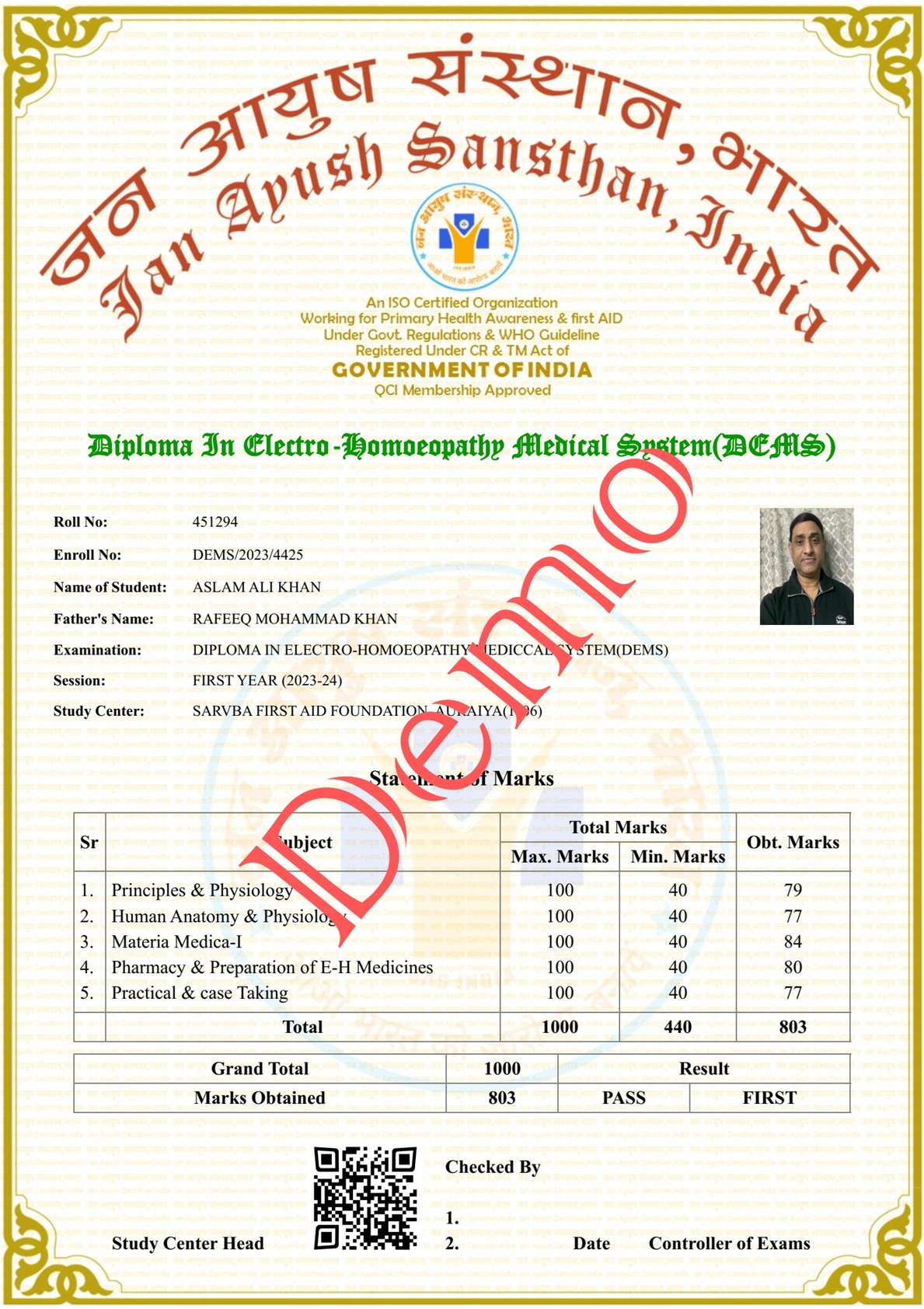
Certificate:Diploma — Jan Ayush Sansthan (institutional) — not a university MBBS/BAMS/BUMS/nursing/pharmacy licence.
Career and employment after CMS & ED
Jan Ayush Sansthan’s CMS & ED diploma runs 18 months — 12 months study plus 6 months internship. After completion, graduates typically serve as a Primary Health Worker or first-aid provider, not as an MBBS-qualified doctor. Surgery and complex deliveries are outside this training scope.
Your own primary health point (village / town): a small first-aid or primary-care orientation centre — first assessment, hygiene advice, timely referral — where local law and registration allow.
Clinic or hospital support: OPD interaction, follow-up, records — per employer and state rules.
NGO and health camps: awareness, outreach, and first-contact community work with referral discipline.
Other options: ambulance coordination, industrial first-aid rooms, or further nursing / paramedical study — each path has separate eligibility.
Important: completing the course does not guarantee a job or licence to run a clinic. Outcomes depend on state law, registration, and the employer. Read this page in Hindi · Admission
Who should join — किनके लिए स्मार्ट विकल्प?
You live in a village or small town and want a health-sector role with community impact.
You already work around clinics or nursing support and want a formal diploma layer.
A long, expensive medical degree is not realistic right now, but you still want a grounded, respected path.
महत्वपूर्ण जानकारी
CMS & ED is a primary-care oriented institutional diploma; it is not equivalent to MBBS/BAMS/BHMS/BUMS/BDS or other university-level medical degrees.
Practice must respect training limits, local health regulations, and drug laws.
A responsible approach is what builds long-term trust in the community.
You may also browse the companion-style portal cmsed.in for introductory storytelling. For eligibility, fees, certificates, and applications, treat this official site as binding: Admission, Notices, the brochure, and your batch prospectus.
Complete programme details
CMS & ED (Community Medical Services & Essential Drugs) is an 18-month diploma: 12 months theory plus 6 months internship. Training blends self-paced study with hub support (Lucknow coordination, helpline, workshops where scheduled for your batch) so learners in rural and semi-urban areas can complete modules without losing contact with faculty guidance.
The curriculum is organised in three broad phases (exact week-by-week schedules are issued with your batch prospectus):
Phase 1 — Foundation: anatomy & physiology, pathology and basic diagnosis, community hygiene and prevention, vital signs, patient communication, basic documentation, and infection-control habits suitable for first-contact settings.
Phase 2 — Medicines & clinical care: rational use of a primary-care essential-medicines teaching set (a 42-item basket informed by WHO EML and NLEM principles — see below and the full teaching sheet), common symptom clusters, red-flag identification, medico-legal limits, rational referral, and coordination with higher facilities.
Phase 3 — Internship & first-response awareness: six months of supervised field exposure including community orientation, basic obstetric awareness, paediatric basics, first aid / BLS orientation, and repeated emphasis on when not to treat and when to escalate. Nothing here replaces statutory licensure where the law requires a registered practitioner.
Assessment & completion: Progress depends on internal assignments, practical demonstrations where applicable, attendance norms, and final examination rules published for your intake. A Diploma — Jan Ayush Sansthan is issued only after satisfactory fulfilment of academic and administrative requirements stated in the prospectus and enrolment letter.
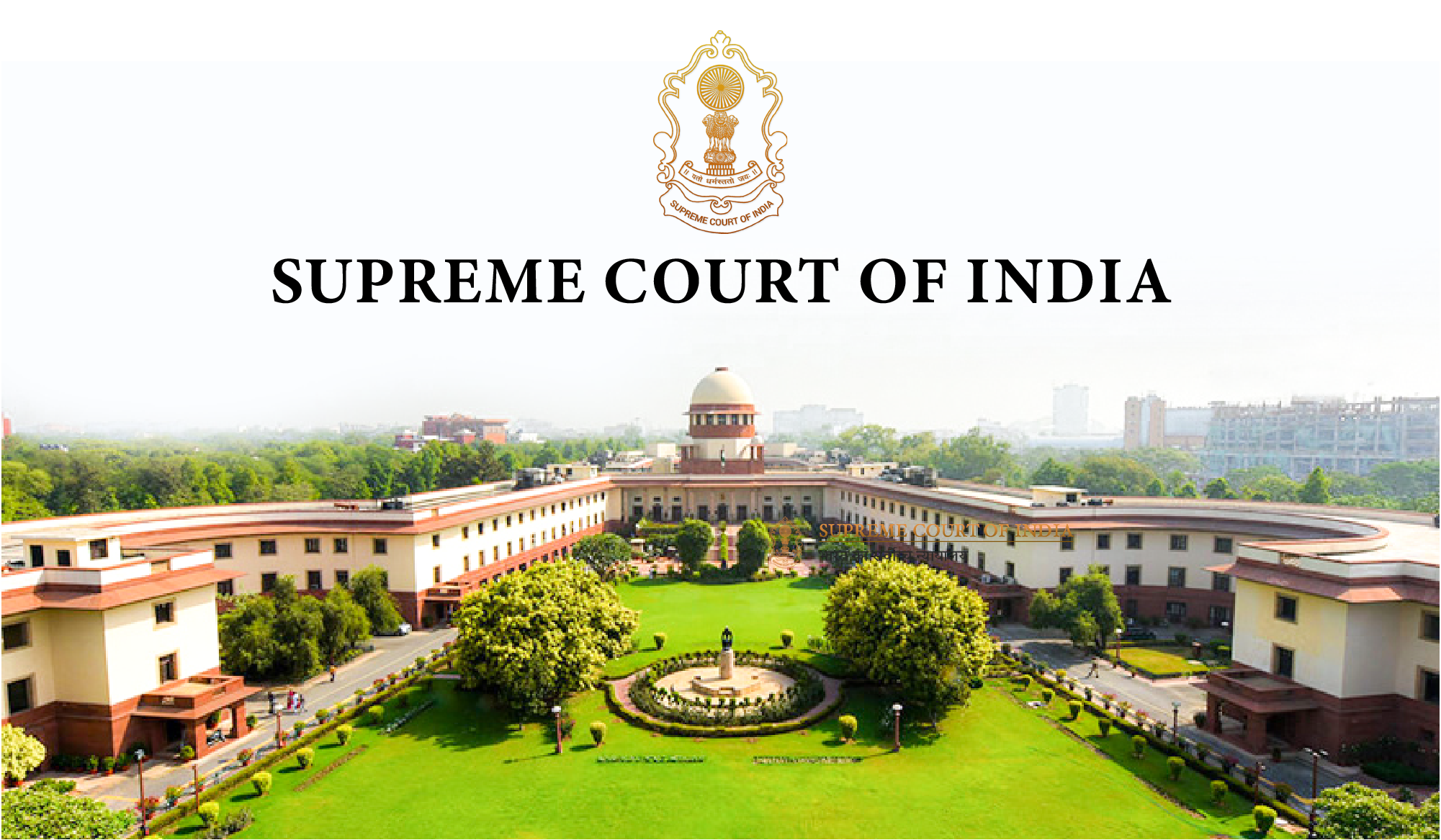
The Supreme Court summary figure and extended cross-links are on this page; see also the Course hub — CMS & ED section.
What you learn
Human anatomy & physiology — body structure, major systems, and how organs work together.
Pathology basics — how common illnesses evolve and what basic investigations mean at first contact.
Pharmacology & essential drugs — teaching around the 42-item basket (WHO / NLEM-informed syllabus): indications, side-effects, and legal boundaries. Not a personal prescribing pad.
Primary care & community health — hygiene, nutrition, maternal and child basics, communicable and non-communicable awareness.
First-line clinical reasoning (within syllabus limits) — fever, diarrhoea, minor infections, blood pressure, diabetes orientation, always with escalation rules.
Emergency & BLS orientation — limited first aid and clear referral decisions.
Ethics & legal awareness — what community-facing roles may and may not do under current Indian rules.
Syllabus outline (trimesters)
Foundation — A&P, pathology, hygieneMedicines & care — essential drugs module + conditionsField & emergencies — internship, first response awareness
Across trimesters you move from science foundations into symptom-based reasoning, then into community and facility-linked practice during internship. Each block includes law-and-ethics reminders so you understand what community health workers and similar roles may do only within current rules.
Foundation block: body systems, common pathology patterns, hygiene campaigns, water and nutrition basics, vital signs, and safe communication with families.
Pharmacology & treatment block: the essential-medicines module (WHO-aligned principles — see WHO Essential Medicines & CMS & ED), common infections and non-communicable disease awareness, drug safety, storage, and when referral overrides local care.
Internship & emergencies block: field diary expectations, antenatal/postnatal awareness (not independent delivery care), child danger signs, poisoning first-response awareness, and documentation for referral.
How this relates to WHO: The WHO Model List of Essential Medicines (EML) is the global reference for essential medicines. India publishes its own National List of Essential Medicines (NLEM). CMS & ED does not teach every WHO entry — we use a reduced 42-item teaching basket for primary-contact learning, aligned with rational-use principles from WHO / NLEM thinking. See WHO Essential Medicines & CMS & ED.
About our brochure (PDF): The Jan Ayush brochure is not WHO endorsement or government validation. It is information prepared and published by Jan Ayush Sansthan — including the numbered 42-medicine table — based on our own curriculum research at the institute level.
The full numbered table — medicine name, form, and village first-contact guidance — is on the dedicated 42 Essential Medicines page. It is for classroom orientation only; practice, dosing, and availability follow current Indian law, NLEM or programme updates, and faculty guidance.
Note: The table’s last column shows how CMS & ED training guides first contact in rural communities — these are not prescriptions. Refer serious, unclear, or long-standing cases to higher medical centres promptly.
Jan Ayush Sansthan, INDIA is an India-focused health education institution operating since 2007, with headquarters at Indira Nagar, Lucknow, Uttar Pradesh, and learner support through a hub-and-spoke network. As described on our About page, the organisation works under relevant Government of India registration provisions (including I.T. Act and I.R. Act categories cited there) and issues its own structured diplomas for programmes it conducts.
CMS & ED certificate: Successful trainees receive a Diploma — Jan Ayush Sansthan for this programme, reflecting completion of the Jan Ayush Sansthan CMS & ED syllabus and assessments. It is not a university degree and is not described on this site as an MBBS, BAMS, BUMS, nursing, or pharmacy licence substitute. Whether you may use the title or skills in employment, clinics, or government schemes depends on current central and state law, employer rules, and any registration applicable in your state — you must verify that independently before relying on it for a job.
CMS & ED — Jan Ayush runs the programme: The Community Medical Services & Essential Drugs diploma is designed, delivered, examined, and certified by Jan Ayush Sansthan. Curriculum updates, faculty standards, admission verification, and the Diploma — Jan Ayush Sansthan remain the Institute’s responsibility. Apply through Admission on this site unless your prospectus names another official channel.
MPYPCP — study-centre reach (not course owner): Under the MoU, Maharshi Patanjali Yog Evam Prakritik Chikitsa Parishad (MPYPCP) helps listed affiliated centres take applications, host classes, and support learners locally across its network (750+ centres, subject to each centre’s published intake). MPYPCP is a delivery and outreach partner for reach — not the awarding body for CMS & ED. Centre timetables and local logistics may be coordinated with MPYPCP; academic and certificate authority stay with Jan Ayush Sansthan.
Separate MPYPCP diploma tracks: Naturopathy and yoga–science programmes follow the MPYPCP partner catalogue (different certificates and rules). See MoU & partner programmes and mpypcp.com for those courses only.
Transparency: We do not claim on this website that any court judgment “approves” Jan Ayush Sansthan or CMS & ED by name. Legal discussion belongs in the legal context section and on the programme page.
Legal context (brief)
Supreme Court — summary note
This image is for reference only — always read the original judgment from official government or authoritative sources.
Public discussion sometimes cites Supreme Court jurisprudence around community medical workers (for example Subhasis Bakshi & Ors. v. West Bengal Medical Council & Ors., 14 February 2003). Judgments address specific facts; they do not “approve” Jan Ayush Sansthan or CMS & ED by name, and they are not a personal “shield” against regulation.
We prepare you to serve within the current legal and regulatory framework — training limits, state health rules, and drug laws — with ethical documentation and referral. Always verify what your state permits before you practise or advertise services. See also the Course hub — CMS & ED legal section.
Admission process (step-by-step)
All fees, deadlines, document formats, and seat rules for your batch are binding only when published in the official prospectus, Notices, or written instructions from the office. The steps below summarise the usual online flow on Admission:
Confirm eligibility — For CMS & ED you must have passed 12th standard with PCB (Physics, Chemistry, Biology); keep marksheets and ID ready as clear scans.
Open the online application — On Admission, select CMS & ED (Community Medical Services & Essential Drugs), choose your preferred batch / session, and enter your study centre name or code if applicable.
Fill personal, address & education blocks — Use names exactly as on certificates. Upload photo, ID (front/back), and qualification documents in the formats and size limits shown on the form.
Fee payment — Pay only through official channels (account / UPI details published by the Institution). Attach a legible payment screenshot if the form requires it. Keep bank or UPI receipts.
Declarations & submit — Tick accuracy and Terms & Conditions acceptance. Submit once you have reviewed the whole form.
Wait for official confirmation — You are not enrolled until you receive written or officially notified confirmation (admit card, fee receipt, enrolment letter, or office communication as per process).
After enrolment — Follow attendance and discipline rules in the prospectus. Later you may use Validate admission once the office has updated records. For refunds or withdrawals, follow the fees & refunds section on the admission page and published fee rules.
Jan Ayush Sansthan also offers naturopathy and yoga-related diplomas with Maharshi Patanjali Yog Evam Prakritik Chikitsa Parishad (MPYPCP). With MPYPCP’s 750+ centres, learner-facing services are available across India’s States and UTs (per partner centre schedules). See MoU & partner programmes and mpypcp.com for partner updates.
Other diploma programmes
Four more diplomas from Jan Ayush — eligibility and duration may differ. Open Details on a card; apply via Admission. Compare all on Course hub.
If you dream of serving your village or neighbourhood with structured primary-care skills, you’re in the right place. You should have passed 12th standard with PCB (Physics, Chemistry, Biology) and meet the document and age rules in the current prospectus to apply. Final admission depends on verification and seat availability — once you’re in, our hub team helps you stay on track.
How long is the course and how is time divided?
The programme is 18 months in total: 12 months theory and 6 months internship, unless a published notice changes the structure for a specific batch.
Is study online, offline, or hybrid?
Jan Ayush describes CMS & ED as flexible learning with hub support — self-paced modules plus coordination from Lucknow, helpline support, and workshops or practicals where scheduled for your batch. Exact delivery (study centre, contact classes, online components) is confirmed at admission.
What certificate will I receive?
On successful completion you receive a Diploma — Jan Ayush Sansthan for the CMS & ED programme. It is an institutional diploma, not a government medical degree.
Is CMS & ED automatically recognised in every Indian state for independent practice?
Yes — you can aim to work in any state where you choose to build your career; graduates typically serve in rural and semi‑urban pockets across India. Each state publishes its own rules for community roles, camps, and facilities — so we teach you to read notices, respect limits, and grow step by step. Public discussion often cites Subhasis Bakshi & Ors. v. West Bengal Medical Council & Ors. (14 Feb 2003) as background on community health workers; that judgment spoke to specific facts and does not name any private college. Use it as study material, then confirm today’s state circulars with local authorities so you feel confident and compliant.
After CMS & ED, can I run a primary‑care / first‑aid style clinic in a rural or semi‑urban area and use the forty‑two teaching medicines?
Yes — that is exactly the dream we train you for. Many graduates go on to open or support a small community clinic / first‑aid point in rural and semi‑urban areas, offering triage, hygiene education, vital checks, and rational use of the forty‑two teaching medicines (WHO / NLEM-informed syllabus) as taught in class. You’ll learn when to treat, when to refer, and how to document — aligned with WHO‑style essential‑medicine thinking on our reference page. Complete the full teaching sheet with faculty so every prescription‑style decision stays lawful, NLEM‑aware, and safe. Public judgments such as Subhasis Bakshi are discussed to build confidence, but your day‑to‑day practice must always follow current Indian drug law and state rules.
Do I need an NOC from the CMO or any government department after CMS & ED?
Most learners start without a heavy paper chase — many work through employers, NGOs, camps, or franchised study‑centre networks that already hold the permissions they need. If you plan an independent storefront clinic with stocked drugs, your district may ask for extra registrations; that’s normal for any healthcare activity. During admission counselling, note your plan so the office can point you to common patterns in your state. Supreme Court discussions (including Subhasis Bakshi) help you understand why community roles exist, but fresh circulars still win on paperwork — we want you excited, not anxious.
Can I call myself “Doctor” or independently prescribe allopathic medicines with only this diploma?
The statutory title “Doctor” for independent allopathic practice still belongs to MBBS / NMC‑registered pathways — and we’re honest about that so you shine in the right role. With CMS & ED you present yourself as a trained community medical services & essential drugs graduate, trusted for first contact, counselling, referral, and rational medicines within the scope your prospectus allows. That honesty wins respect in villages — and keeps your clinic story authentic and growing.
If the website, brochure, and a Notice disagree on fees or batch dates, which one wins?
For your intake, the binding sources are the official prospectus, fee circulars, and Notices (plus any written instructions from the office). Where this site and an official document differ, the official document prevails. See also Terms & Conditions and the fee section on Admission.
Does the Supreme Court judgment guarantee my right to practise medicine?
Courts don’t hand out blank cheques — they decide real disputes. Still, judgments such as Subhasis Bakshi & Ors. v. West Bengal Medical Council & Ors. (14 Feb 2003) remind India that trained community workers matter. We use that story in class to motivate you, not to replace MBBS. Pair the inspiration with current statutes via our legal context and full programme notes, then practise with pride and discipline.
What is the “42 medicines” list?
Think of it as your confidence playlist — the same forty‑two essential medicines Jan Ayush teaches in class (WHO / NLEM-informed syllabus; brochure = our own curriculum summary, not WHO validation), so you can explain, dispense (where law allows), and refer with poise. It is a syllabus module, not a DIY prescription pad: dosing tracks NLEM updates + faculty voice. Dive into the full numbered table and you’ll see why graduates feel ready for real clinics.
Where do I apply and pay fees?
Ready to begin? Open the official online admission form, choose CMS & ED, and upload your documents with care. Pay only through the channels printed by the Institution (see admission steps). We’re cheering for you — avoid unofficial accounts so your first day starts stress‑free.
How do I validate my admission after enrolment?
After the office updates records, you can use Validate admission with the details instructed there. If your record is not yet visible, wait for processing or contact the office with your application reference.
Who runs CMS & ED — Jan Ayush or MPYPCP?
Jan Ayush Sansthan runs CMS & ED: syllabus, teaching standards, assessments, admission verification, fees rules (as published), and the Diploma — Jan Ayush Sansthan. MPYPCP helps through affiliated study centres so learners can join and attend locally under the MoU — reach and centre support, not ownership of the CMS & ED programme. For binding details use Admission, Notices, and your batch prospectus on this site.
Is CMS & ED the same as the MPYPCP naturopathy diplomas?
No. CMS & ED is Jan Ayush Sansthan’s community medical services & essential drugs pathway. Naturopathy and yoga-related diplomas follow the MPYPCP partner track described in the MoU. You can explore both, but application rules and certificates differ.
Where can I read WHO / NLEM context for essential medicines?